Our mission is to empower and transform young lives by addressing critical social issues and equipping the youth with the necessary tools, resources, mentorship, and support to thrive in a safe, healthy, and inclusive environment, ultimately enabling them to contribute and shape their own future.
To build a society where every young person is empowered to realize their full potential, free from drugs, violence, and stigma, while contributing positively to community growth.
Through its initiatives, Youth Drop – In initiative envisions a generation of empowered youth who actively contribute to breaking cycles of societal challenges while building a more sustainable and equitable future.
The General Assembly is composed of all 5 directors, 12 members, and volunteers. It serves as the supreme decision-making body, responsible for approving policies, programs, budgets, and electing directors.
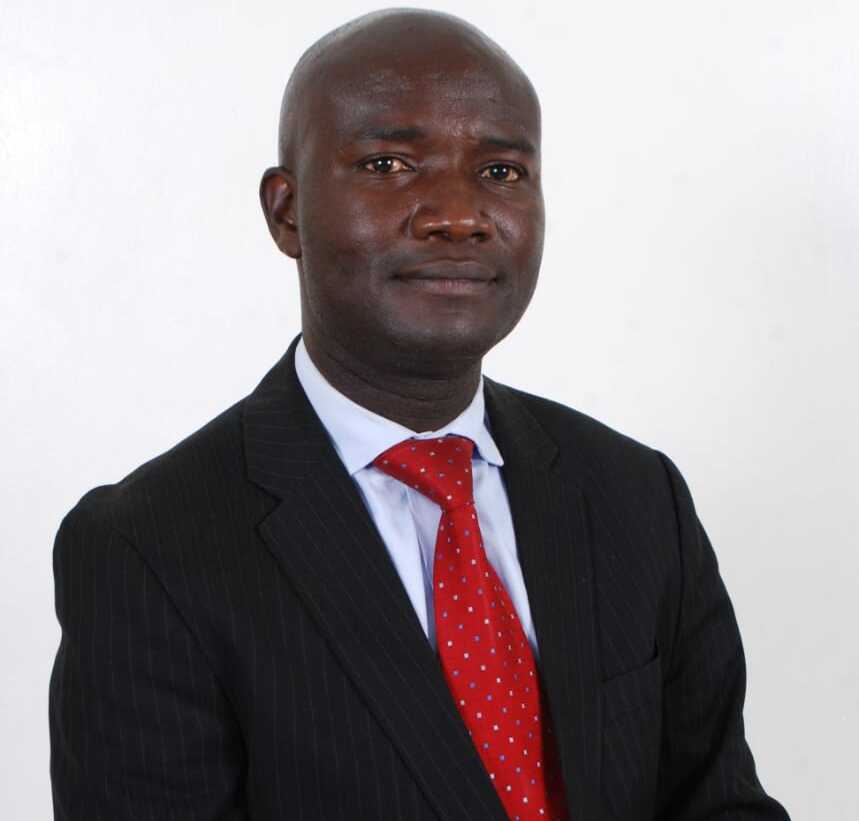
Chairperson (click here for more info)
The role of Alfred Alaro, the Chairperson, is a multifaceted leadership function that extends far beyond simply chairing meetings; he serves as the organization's chief strategic driver and external representative. His core responsibility is to guide the Board of Directors in developing and adhering to the CBO's long-term vision, ensuring all seven programmatic areas—from Youth Empowerment to HIV/AIDS awareness—remain aligned with the mission of transforming young lives and addressing critical social issues. Externally, he acts as the principal spokesperson, building and nurturing crucial high-level partnerships with Local Authorities, private sector donors, and other key stakeholders, thereby mobilizing the necessary financial and political support to ensure the sustainability and credibility of the CBO's work, while internally holding the directors accountable for their respective duties and maintaining sound governance.

Secretary (click here for more info)
The role of Chripinus Ashiono, the Secretary, is crucial as the custodian of governance and communication integrity for the CBO. He is responsible for managing all official documentation, which involves accurately recording and distributing meeting minutes for both the Board of Directors and the General Assembly to ensure continuity, transparency, and accountability across all initiatives and committees. As the central communication hub, he handles all formal correspondence, both internally between the directors and externally with essential Partners and Stakeholders, while also supporting the Chairperson in ensuring the organization's legal and regulatory compliance is met by diligently maintaining and organizing all records and historical institutional documents.
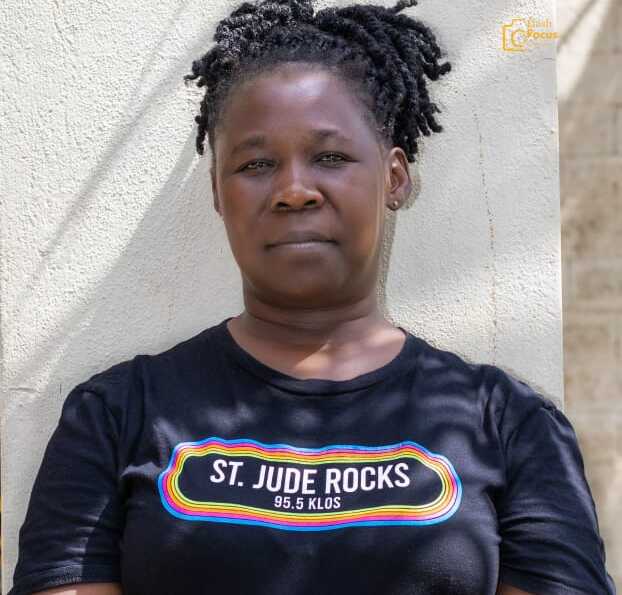
Treasurer (click here for more info)
The role of Norah Akinyi, the Treasurer, is pivotal in safeguarding the CBO's financial health and ensuring accountability to partners. She is the chief financial steward, responsible for overseeing all finances, which involves accurately tracking income and expenditures across all seven program areas, from Youth Empowerment to WASH initiatives. Her duties include meticulous development and management of the organization's budgets, working with the Board and Standing Committees to allocate resources efficiently to maximize program impact. Furthermore, she is tasked with comprehensive donor reporting, which requires preparing transparent, detailed financial statements and reports that demonstrate responsible fund utilization and build trust with external partners, ensuring the long-term sustainability and credibility of the organization.
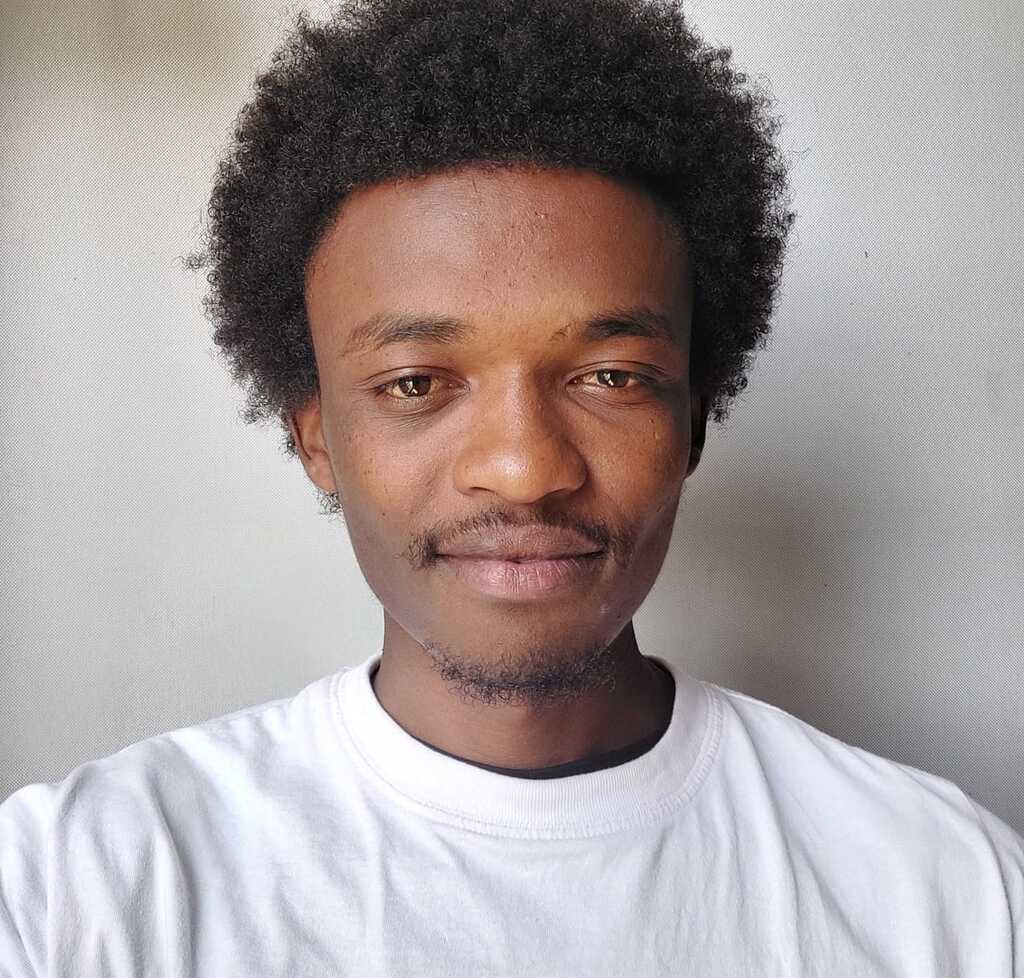
IT Manager (click here for more info)
The role of Sammy Mwangi, the IT Manager, is indispensable for the CBO's operational efficiency and digital outreach, establishing him as the guardian of its digital footprint and data integrity. He is tasked with maintaining all digital systems, ensuring the reliable functioning and regular upkeep of necessary technology and software used for program management and internal communication. Furthermore, he drives the organization's visibility and mobilization efforts by expertly handling social media and online advocacy, designing campaigns that promote social justice and enhance community well-being, while communicating the impact of the CBO's work across all seven program areas. Crucially, the IT Manager ensures stringent data security, protecting sensitive information related to beneficiaries (especially survivors of GBV/FGM and PLHIV), partners, and donors, which is paramount for maintaining organizational trust and compliance.
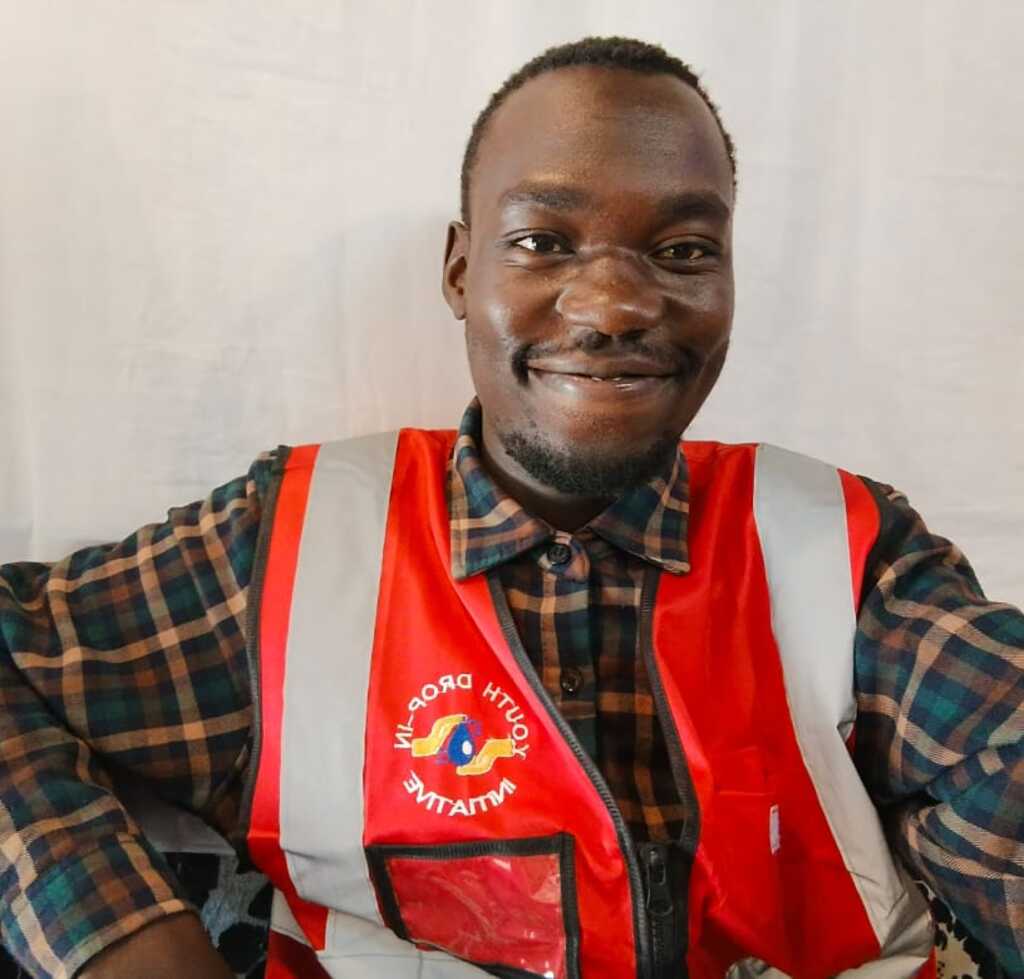
Event Manager /Coordinator (click here for more info)
The role of Stephen Odhiambo, the Event Planner/Coordinator, is to serve as the logistical engine for the CBO, ensuring all awareness campaigns, activities, and program events are flawlessly executed. He is directly responsible for organizing, planning, and coordinating the practical implementation of projects across all seven focus areas—from arranging venues and materials for Vocational and ICT Training sessions and Mental Health resilience workshops, to setting up large-scale Community Awareness Campaigns for GBV/FGM and HIV/AIDS. His work requires meticulous scheduling, resource management, and collaboration with all standing committees and external Partners and Stakeholders to guarantee that every planned activity is delivered smoothly, effectively, and on budget, maximizing the impact of the organization's outreach efforts.
Led by directors and members, each committee brings together members and volunteers for teamwork. The committees include:
Members play an important role in supporting the organization by:
Volunteers strengthen the organization by:
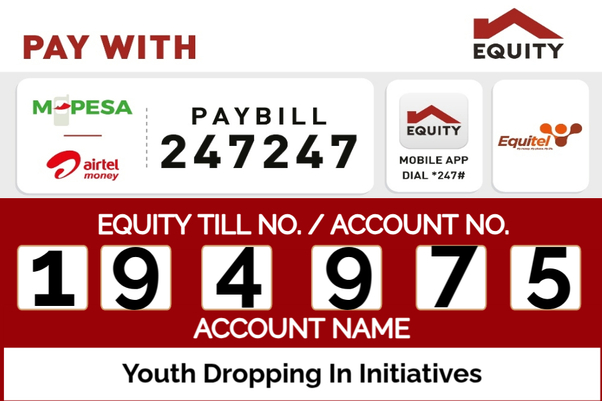

"Collaborating with the Initiative on GBV and FGM campaigns has been powerful. Their grassroots approach ensures that real change happens in homes, schools, and communities."— Mary, NGO Representative

"Before joining the Youth Drop-In Initiative, I struggled with confidence and had no clear path. Through mentorship and ICT training, I now have skills, a small business, and the courage to dream bigger."— Brian, 21 (Youth Empowerment Program)
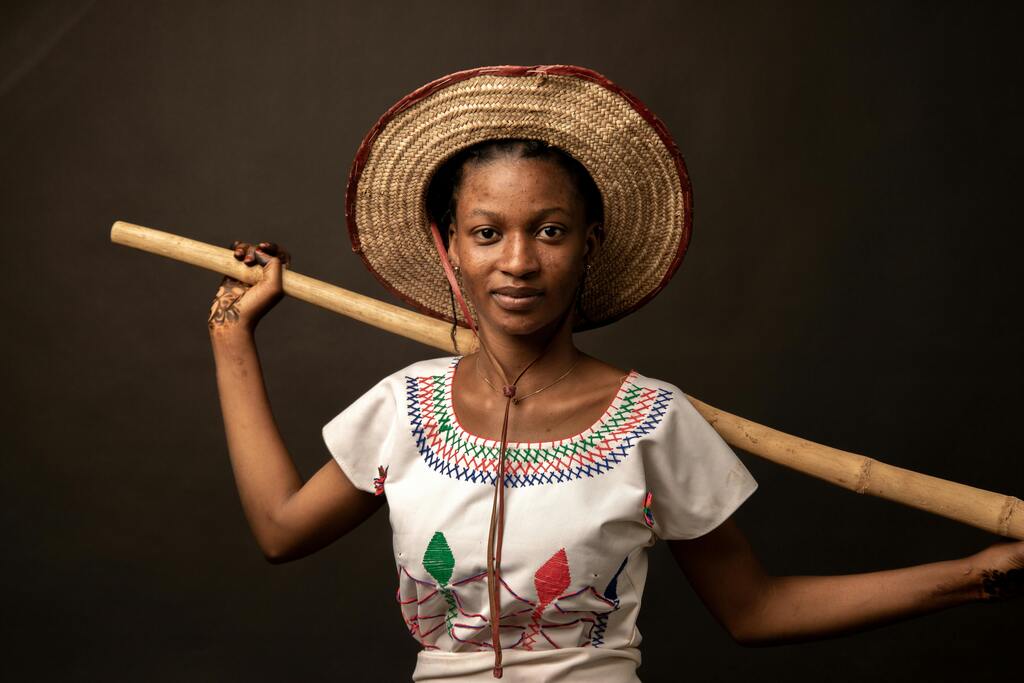
"My daughter took part in the mental health awareness sessions at school. She now speaks openly about stress and supports her peers. These programs are truly shaping the next generation."— Grace, Parent & Community Member
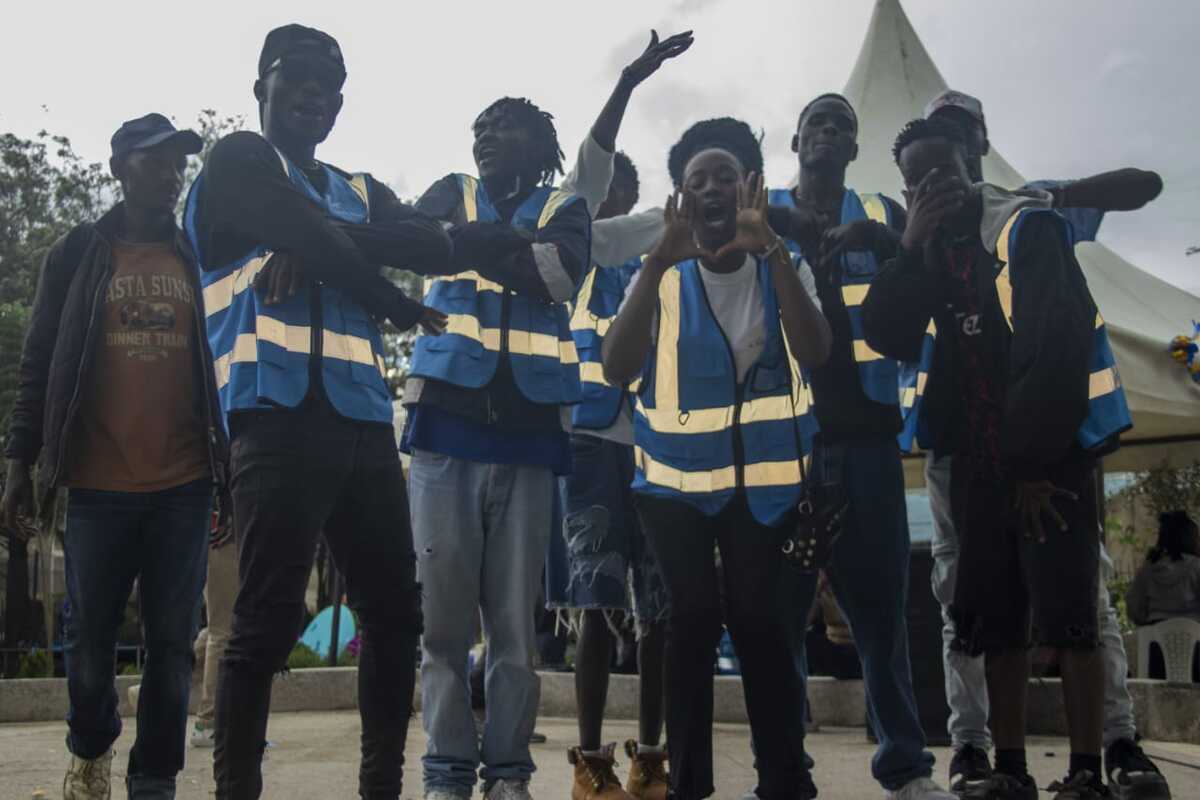
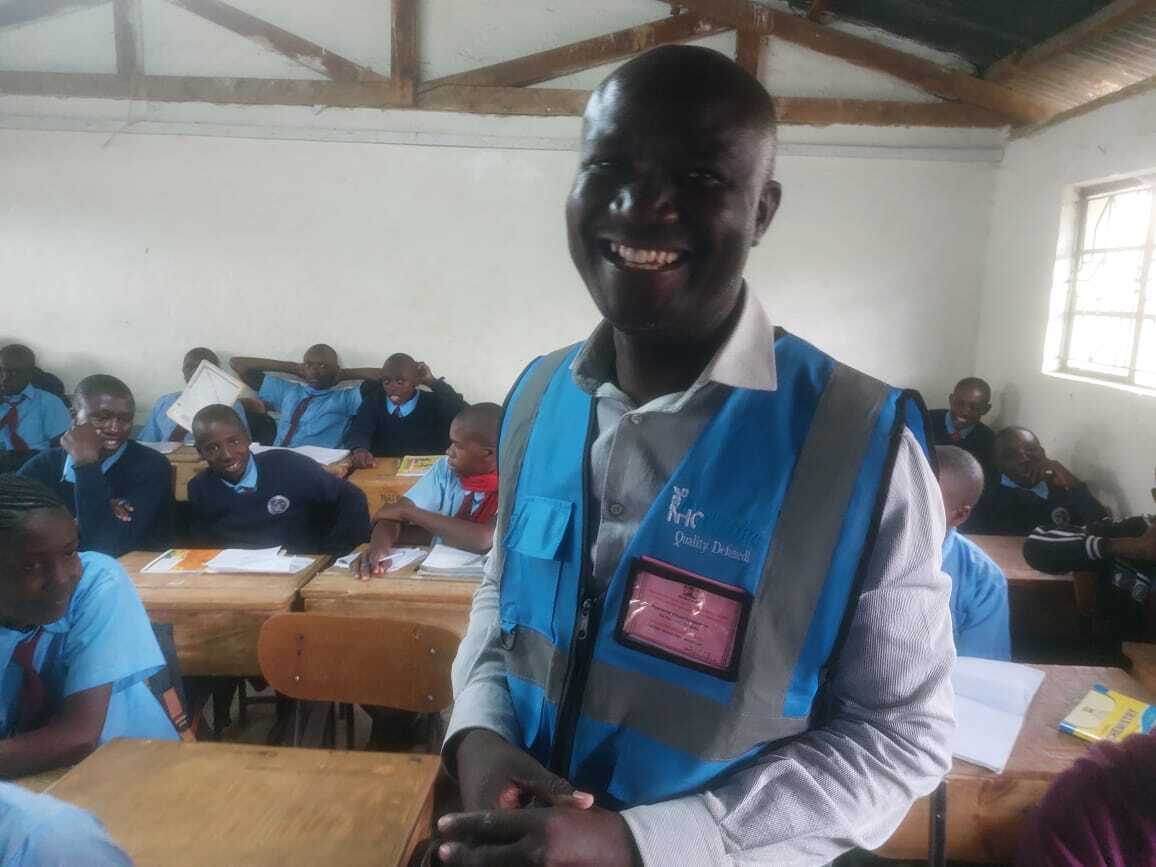
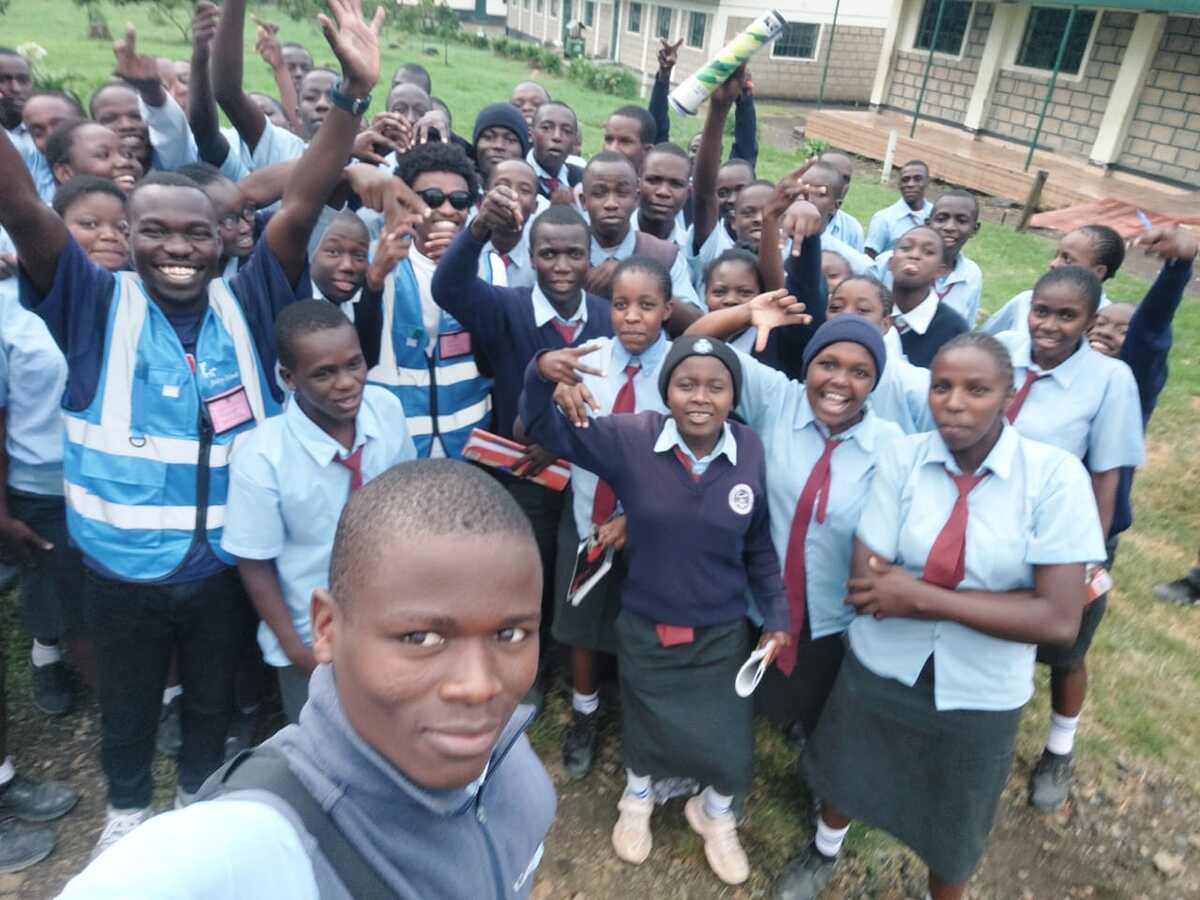
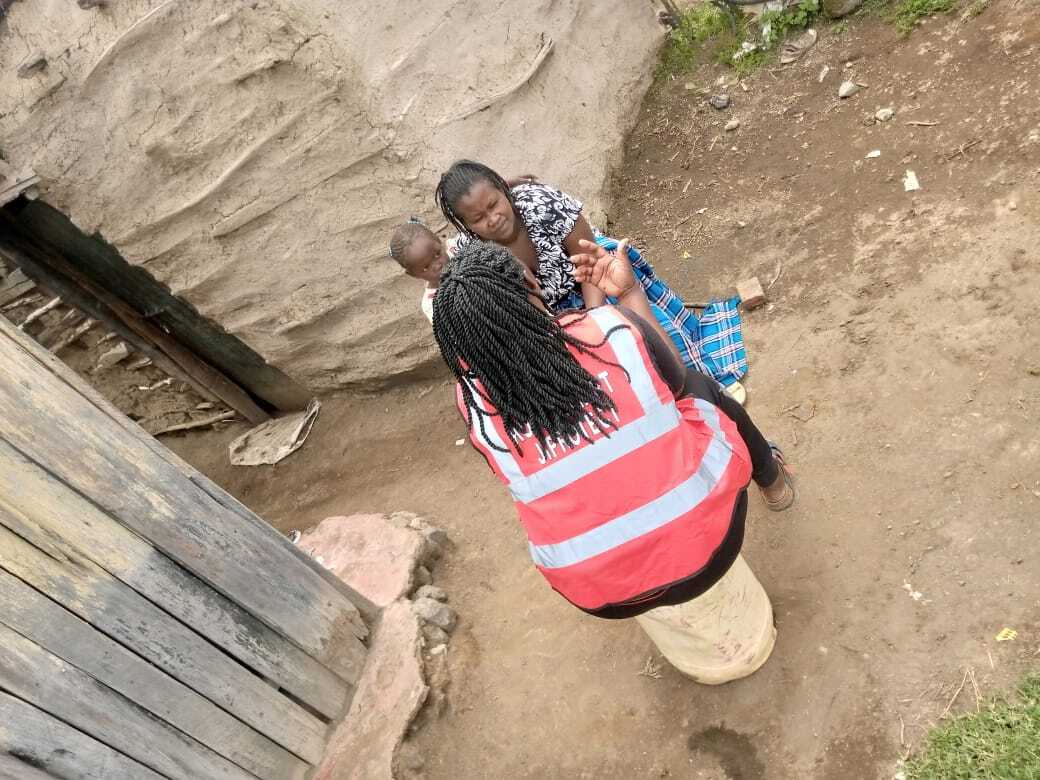
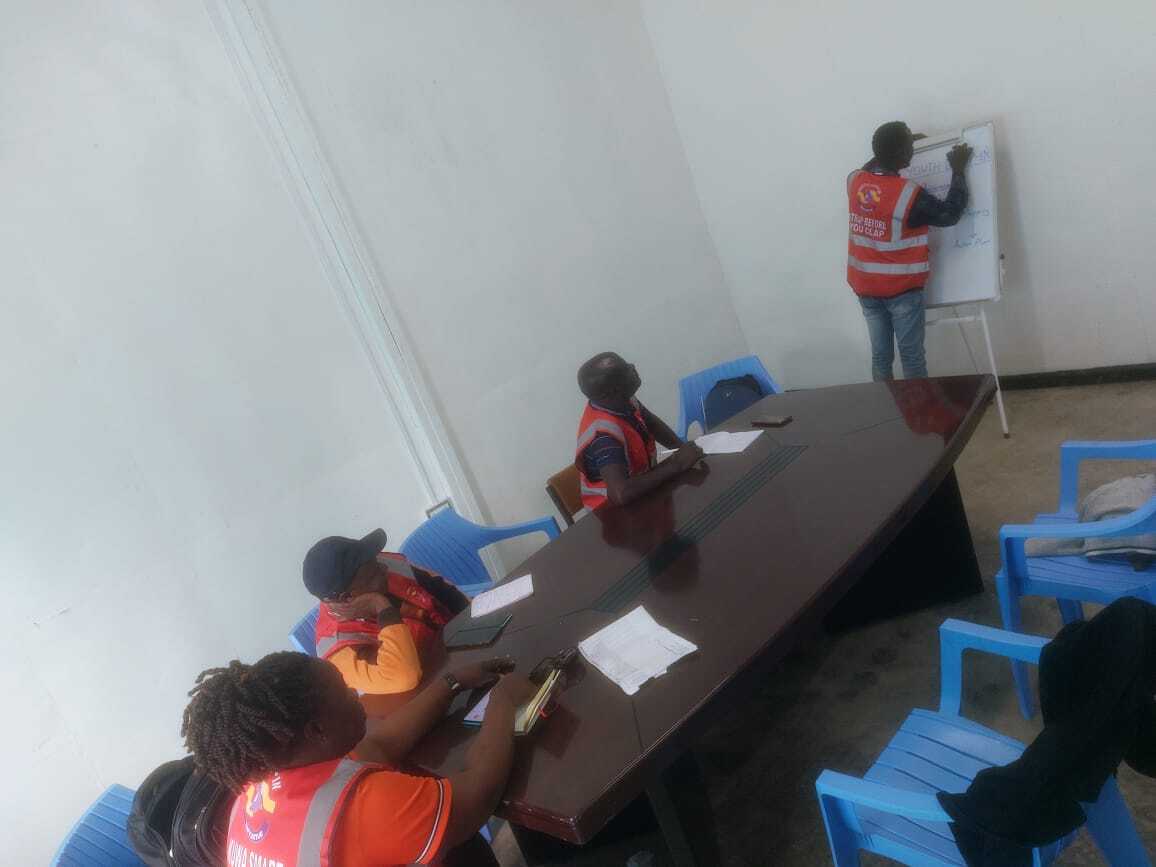

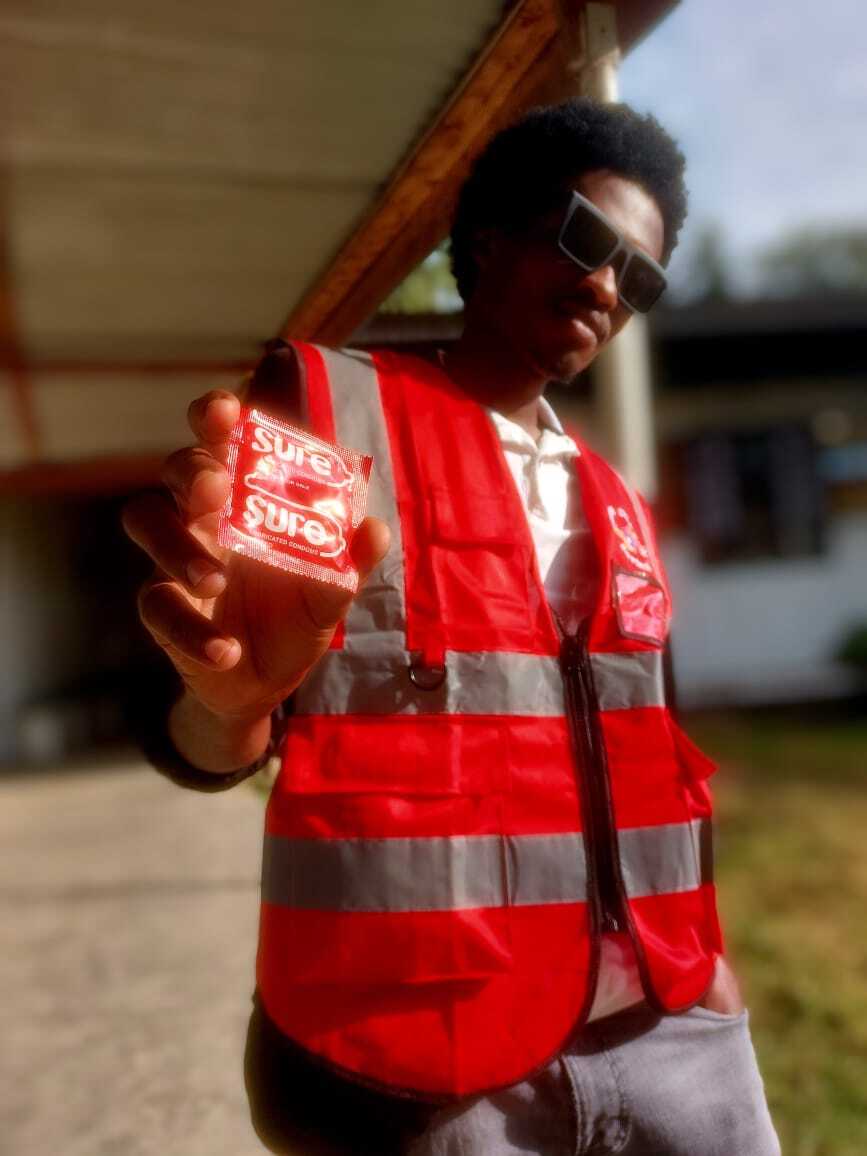
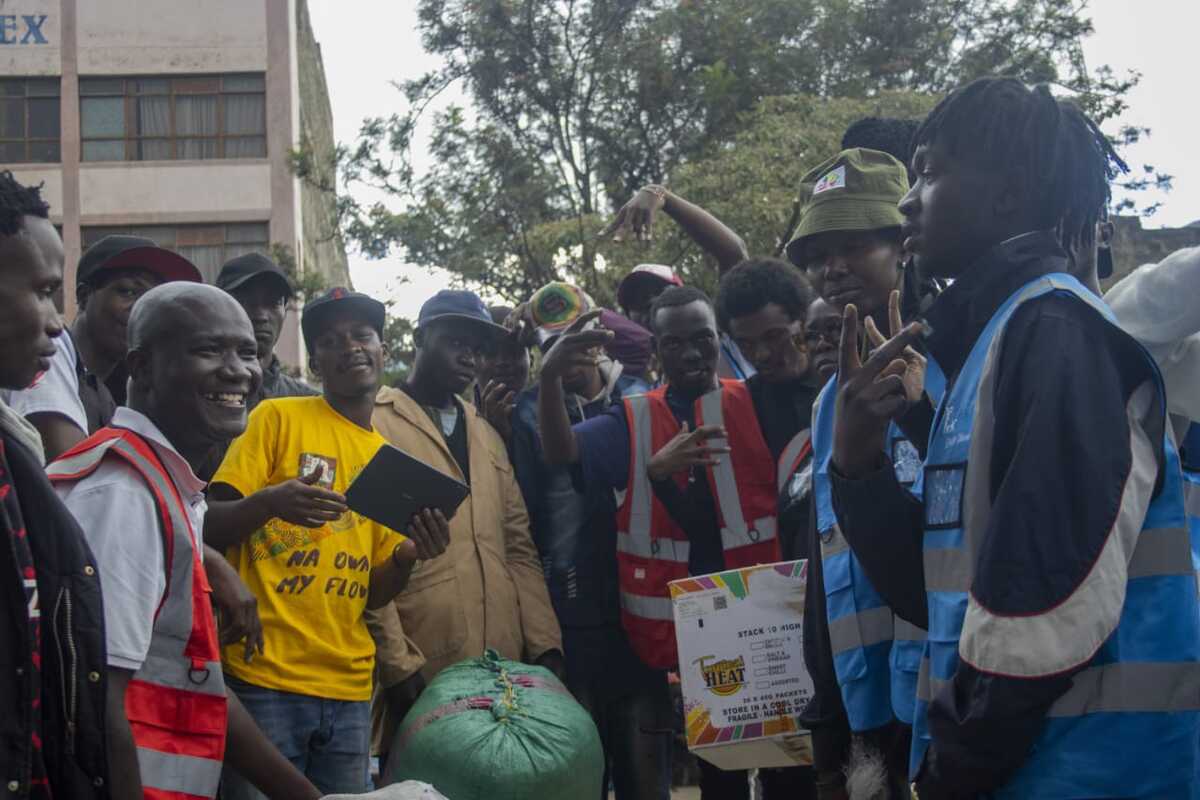

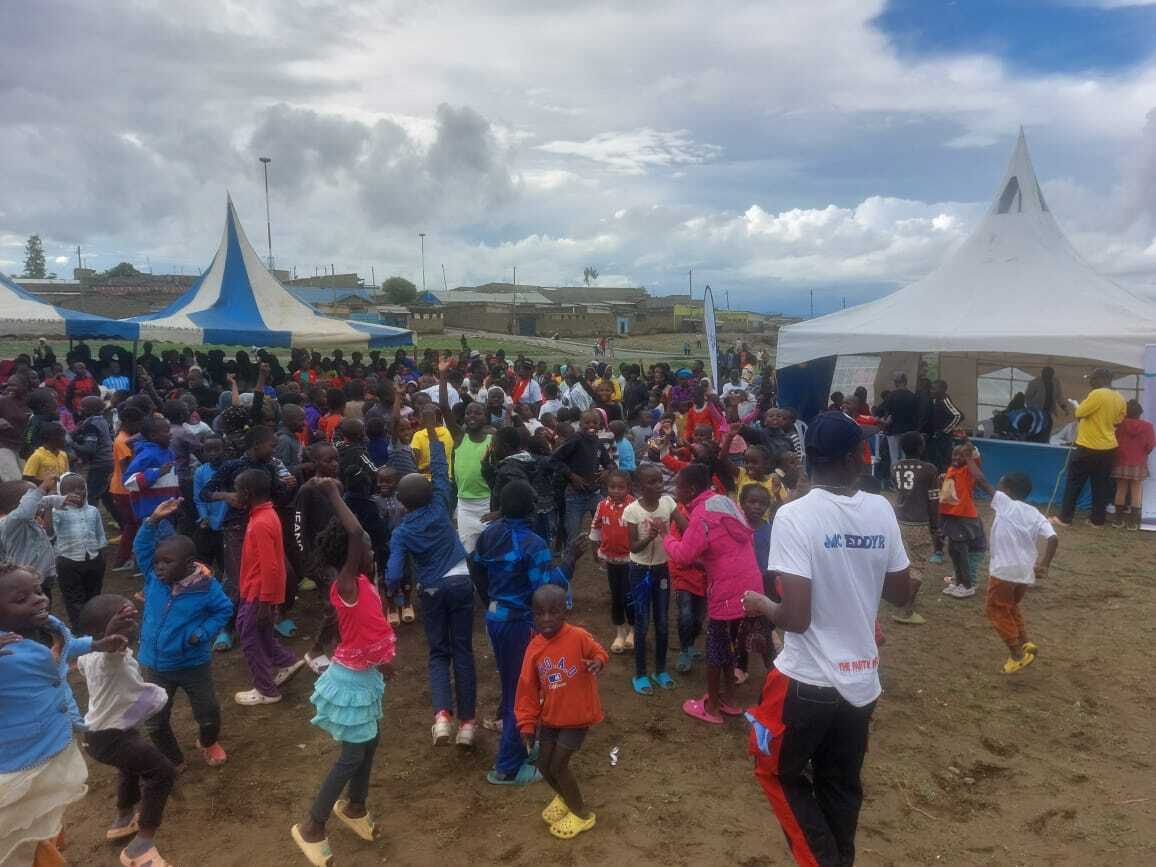
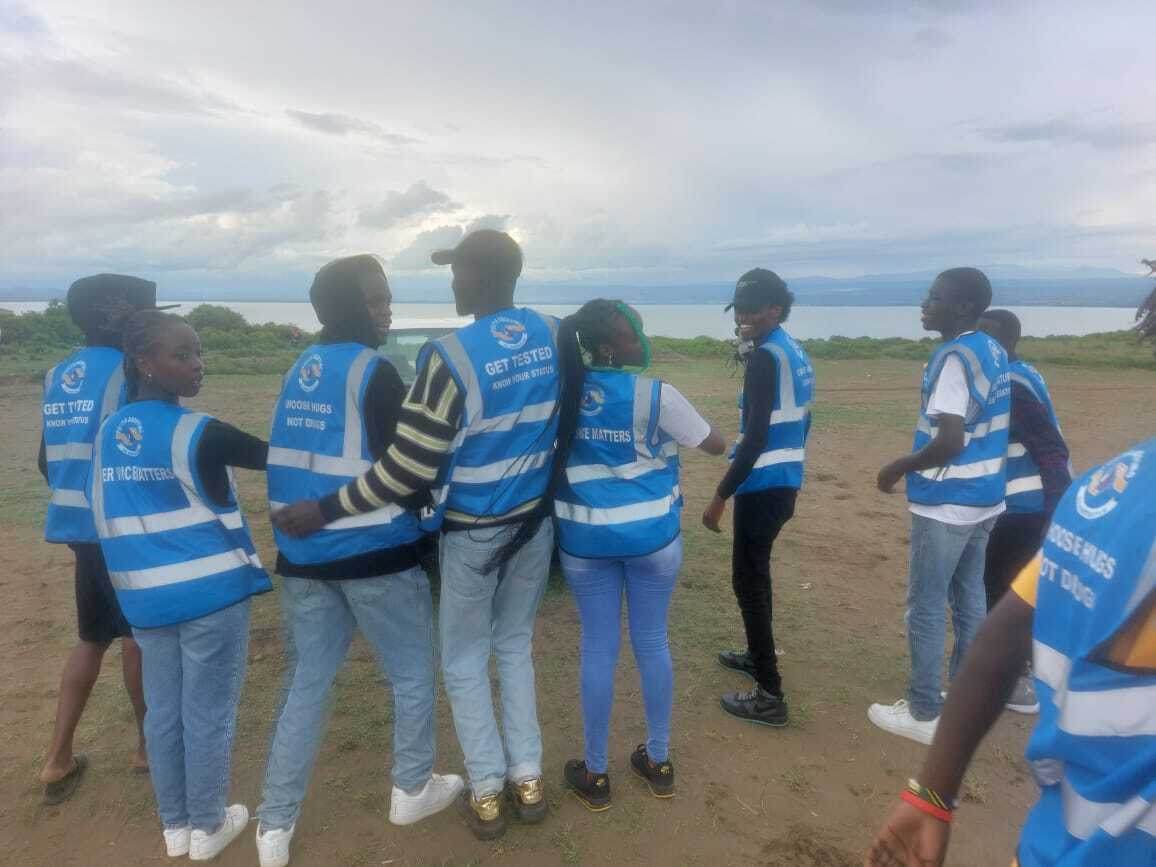
Anyone in the community can benefit, but most programs are tailored for youth (13–35), with parents, teachers, and community leaders also actively involved.
No. Our programs reach both rural and urban communities, ensuring no one is left behind, especially in marginalized regions.
We provide safe spaces, counseling, legal aid referrals, and advocacy platforms that connect survivors with healthcare and psychosocial support.
Yes, most programs are free or highly subsidized thanks to the support of donors, partners, and volunteers.
We build partnerships with local authorities, schools, NGOs, healthcare providers, and faith-based groups to make sure projects are community-owned and long-lasting.
Getting started is easy! Simply contact us at our phone number by clicking the icon in your bottom left, or email us at info@youthdropinitiative.org Also you can WhatsApp Us by clicking the WhatsApp Icon on your bottom right. You can join as a volunteer, become a mentor, support financially, or collaborate through partnerships. Every contribution makes a difference.
Monday
9:00 AM - 5:00 PM
Tuesday
9:00 AM - 5:00 PM
Wednesday
9:00 AM - 5:00 PM
Thursday
9:00 AM - 5:00 PM
Friday
9:00 AM - 5:00 PM
Saturday
9:00 AM - 5:00 PM
Sunday
9:00 AM - 5:00 PM


